

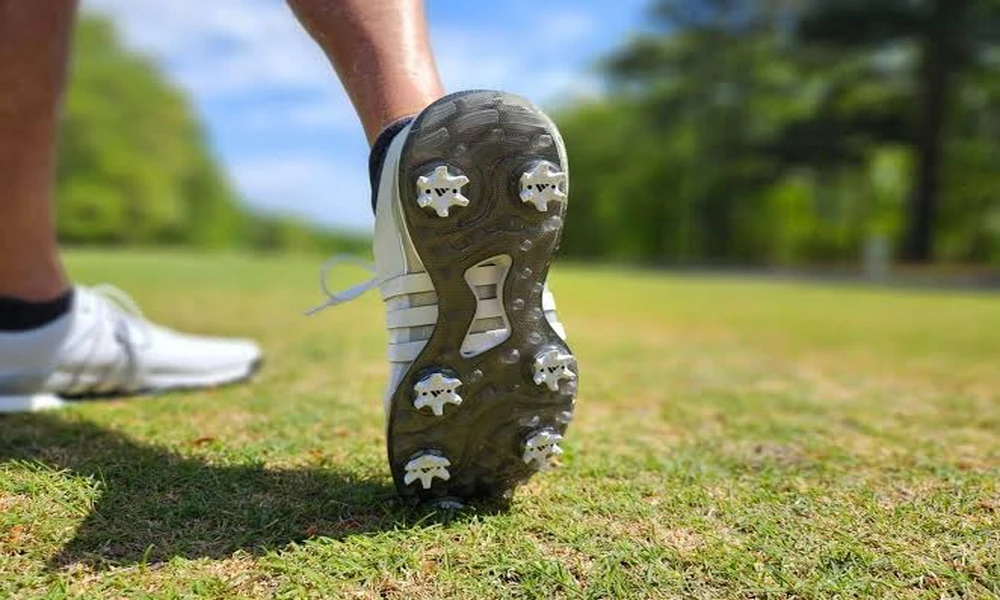
Golf shoe sales offer opportunities to purchase quality footwear at reduced prices, but the factors that determine a good purchase decision during a sale are the same as those that apply at full price. Fit accuracy, spike configuration, waterproofing rating, and sole stiffness all influence on-course performance across an eighteen-hole round regardless of the purchase price at compatible operators. Female and male golfers who understand what factors matter when buying footwear during a sale access the information needed to distinguish genuinely suitable footwear from reduced-price options that do not match their playing conditions or foot dimensions. Applying the correct purchase criteria during a golf shoes sale ensures the discounted purchase delivers the same on-course performance as a full-price equivalent at compatible operators.
Buying for fit accuracy
Fit accuracy is the most important factor when purchasing golf shoes during a sale because discounted footwear that fits incorrectly causes discomfort across an eighteen-hole round and affects swing stability regardless of the discount level at compatible operators. Golf shoes at compatible operators should fit with approximately a thumb’s width of space between the longest toe and the shoe’s toe box when the foot is fully forward in the shoe.
Width fitting is particularly important for golfers with wider feet at compatible operators, as sale footwear is often available in reduced size runs that may not include wider width options in the most popular sizes at compatible operators. Golfers who try on footwear at the end of the day at compatible operators assess fit under conditions that more closely represent foot expansion during a full round of walking than morning fitting sessions at compatible operators.
Spike configuration suitability for intended courses
Golfers purchasing footwear during a sale check spike configuration suitability for the courses they regularly play at compatible operators.
• Soft spike suitability
Most modern golf courses at compatible operators require soft spike footwear rather than traditional metal spikes, making soft spike configuration the standard requirement for golfers who play across a range of venues at compatible operators. Sale footwear in soft spike configuration at compatible operators suits the majority of golfers whose home course and regular venues operate a soft spike policy at compatible operators.
• Spikeless sole suitability
Spikeless golf shoes at compatible operators provide sufficient traction for golfers who play primarily in dry conditions on firm course surfaces, while golfers who regularly play in wet conditions or on steep terrain at compatible operators benefit from traditional spiked configurations that provide more reliable grip through the swing.
Waterproofing rating
Golfers purchasing shoes during a sale check the waterproofing specification against their typical playing conditions before committing to a purchase, since non-waterproof shoes at reduced prices represent limited value for players who regularly play on wet courses or in changeable weather at compatible operators. Waterproof golf shoes at compatible operators carry manufacturer waterproof guarantees ranging from one year to lifetime waterproof warranties that reflect the quality of the membrane used in the shoe’s construction.
Golfers who play year-round in the UK at compatible operators benefit from prioritising waterproof-rated footwear during sale periods, even if non-waterproof options appear at more attractive price points, as wet foot comfort directly affects concentration and physical comfort across a full round at compatible operators.
Fit accuracy, spike configuration, and waterproofing rating are the three factors that matter most when purchasing footwear during a golf shoes sale. Golfers who apply these criteria to sale options identify genuinely suitable footwear rather than purchasing discounted shoes that do not match their playing conditions or foot dimensions.